
Cold walls can cause serious discomfort and high energy bills. Cold walls often signal poor insulation or damp issues, and A highly effective solution is insulation. Thermal wall insulation can be a helpful solution as winter approaches and rising energy bills become a significant concern. It is costly to heat your living space in harsh winters without proper insulation.
The wisest solution is to get in touch with solid wall insulation experts UK. This blog post will discuss in detail how insulation helps you reduce your energy bills and keep your house warm.
Why Are Walls Cold?
Let’s understand the common causes that work behind the scenes in creating this freezing wall problem.
Reason 1: Insulation
In many cases, the culprit is poor insulation. If it is inadequate, the heat easily escapes through walls, windows, and gaps. The issue becomes worse when you have cavity walls without sufficient insulation.
Reason 2: Dampness and Structural Issues
They can further escalate the issues. Structural and architectural problems like wall cracks and damaged gutters make the situation worse. They let cold air come inside the house and allow moisture to seep into the walls. Chilly walls and humidity may bring problems like wood rot and black mould along.
Before you handle the cold walls, it would be better to treat any existing damp problems. Identify the reasons behind the dampness and try to build a plan for addressing this problem with the assistance of a good damp specialist. Once it is solved, you can enjoy the benefits of thermal wall insulation.
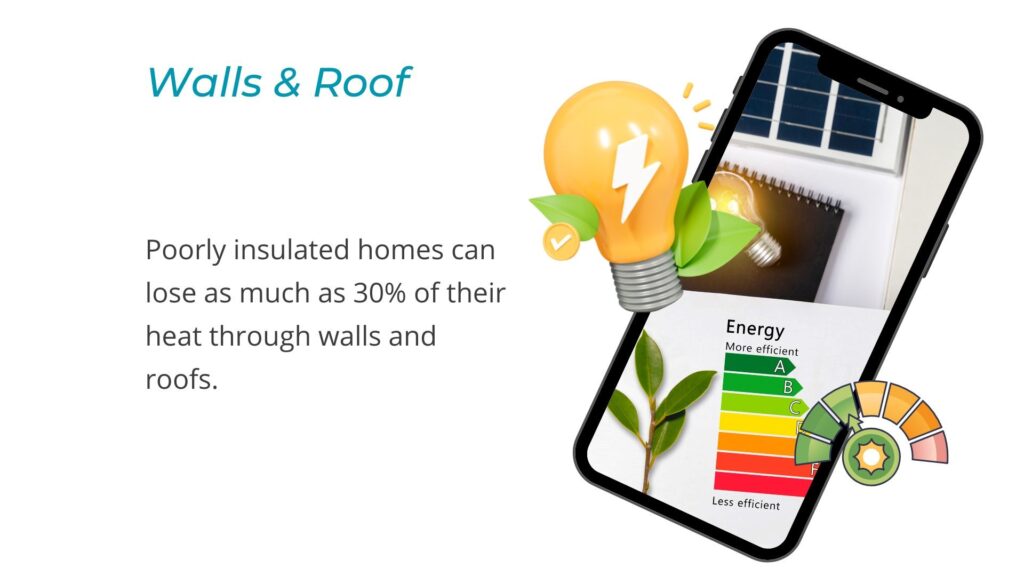
What is Thermal Wall Insulation?
It refers to the process and materials used to reduce heat transfer through walls, thus maintaining a more consistent indoor temperature. We usually install materials like foam boards or mineral wool to create a barrier that inhibits the flow of heat. It neither allows heat to escape in winter nor lets it enter in the summer.
In some cases, insulation is comprised of tiny pockets of air trapped within the materials. Air is a poor conductor of heat. So, we get to reduce the ability for heat to be transferred by conduction.
How Does Insulation Work?
To understand the working of insulation, we first need to know how heat flows. The heat flows in three basic ways, whose details are here:
Conduction
This is how heat moves through materials. For example, you put a spoon in a hot cup of coffee. After some time, you feel heat in your hand. The spoon is in the hot coffee, and you are holding its handle.
Convection
This is how heat circulates through liquids and gases. It is also the reason why warmer air rises, and cooler air sinks in the house.
Radiation
It is the heat that travels in a straight line and heats anything solid in its path that absorbs its energy.
Most insulation materials try to reduce the first two types of heat flow. Some work by reducing radiant heat gain, for example, reflective insulation and heat barriers.
Insulation slows the natural flow of heat from warmer to cooler areas until there is no longer a temperature difference. Insulation gives an effective amount of resistance to heat flow.
R-Values
Resistance is the main parameter to measure the quality of insulation. An insulating material’s resistance to conductive heat flow is measured or rated in terms of its thermal resistance. This thermal resistance is also referred to as R-value. The higher the R-value, the better the quality of insulation.
R-value mostly depends on the type of insulation, its thickness, and its density. In many cases, there are other contributing factors as well. For example, temperature, aging, and moisture accumulation.
Some systems use multiple insulation layers. To calculate their R-value, we add the individual R-values of all layers.
If you install more insulation in your home, you get a higher R-value.
Where Does Insulation Matters The Most?
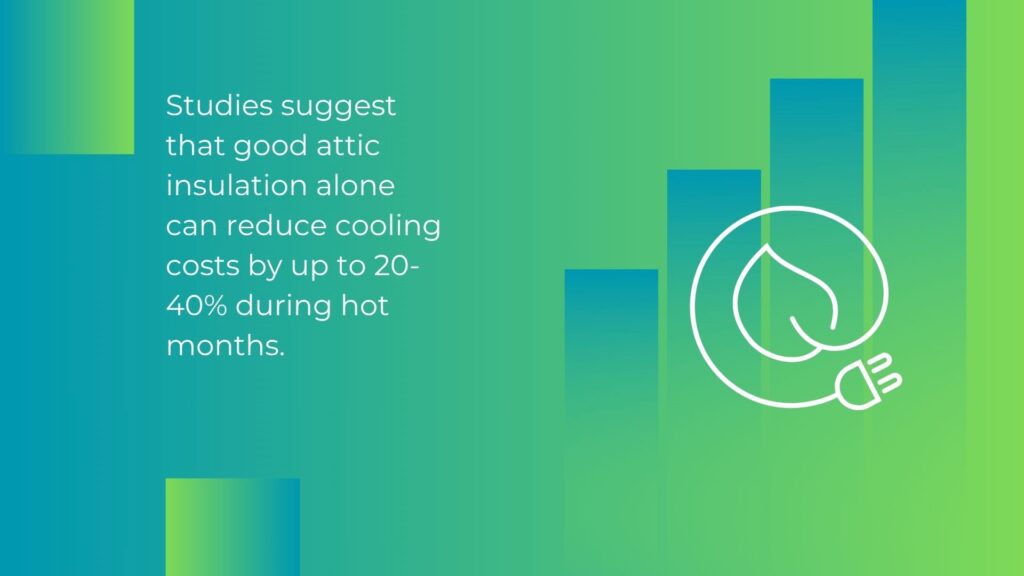
The effectiveness of insulation also depends on the place you install it. Compressed insulation never provides a full-rated R-value. Often, the total R-value of a wall or ceiling is slightly different from the R-value of the insulation itself because heat flows more readily through studs, joists, and other building materials, in a phenomenon known as thermal bridging.
Here are some key areas where insulation can provide the most energy efficiency.
Attic
The attic is the area most prone to heat loss. It’s the place where the major heat loss occurs. Proper insulation helps prevent warm air from escaping via the roof. As a result, the home stays warm, and energy bills are reduced. Bills get lower because the strain on your heating system reduces.
Walls
Walls cover a huge surface area. Poor insulation leads to heavy heat loss. A wise strategy is to insulate exterior and interior walls. That helps with the regulation of temperature in the entire home.
Floors & Crawl Spaces
Often, they are uninsulated floors and crawl spaces from where many homes lose their heat. This often occurs in homes built over basements or exposed ground. Insulating these areas can give great results. It would make your home a comfortable and affordable place to live.
Ways Insulation Can Make Difference
Here are five ways insulation can have an impact:
1: It Keeps Your Home Cool in Summer
Otherwise, the sun warms your home in the summer season. If there is no insulation, the heat would penetrate easily via the walls and roof and make the house uncomfortably warm. As a result, your air-conditioner has to put in extra effort, and that further leads to increasing electricity bills.
Insulation reduces heat gain in summer, exactly like it reduces heat loss in the winter. It blocks the sun’s radiant heat and does not allow it to infiltrate your home.
Proper thermal wall render insulation keeps the cool air inside and the hot air outside. So, the air conditioner unit has to work for shorter time.
2: It Reduces Air Leaks & Drafts
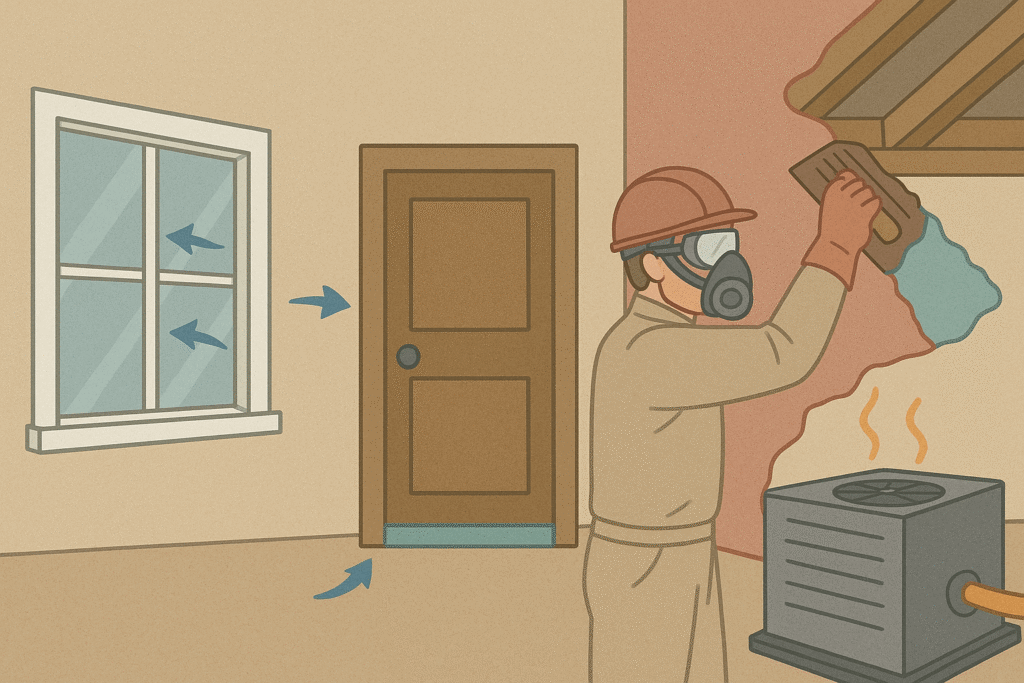
Air leaks are also one of the common culprits behind the energy inefficiency. They are commonly found in windows, doors, attics, and even around electrical outlets. They allow the air to escape.
As a result of air escape, HVAC system (Heating, Ventilation, and Air Conditioning) has to bear the burden. It works more to maintain the desired temperature.
Insulating materials like spray foam or caulk do a great job at filling these gaps and preventing air leaks. As mentioned above, attics and crawl spaces are vulnerable areas. Insulation can ensure that air does not escape through them. As far as windows and doors are concerned, weather-stripping and insulation inserts can help seal drafts.
3: It Slows Down Wear & Tear of HVAC System
Less usage slows down the process naturally. HVAC does not have to keep working all the time and using its full capacity. That prolongs its lifespan. There are a few repairs that not only mean lower energy bills but also minor maintenance costs.
4: It Leaves a Great Environmental Impact
We know that insulation makes the home more energy efficient. It means that your house is also playing its own role in making the environment greener. This is because fewer greenhouse gas emissions are associated with powering your home. Global concerns of climate change make insulation a critical element of the modern construction industry.
5: It Raises the House Selling Value
Energy-efficient houses with great insulation also attract more buyers as compared to homes with no insulation system. Insulated homes sell faster and at higher prices.
6: Government Incentives
Some governments have even incentivised home insulation to encourage homeowners. Luckily, the UK government is one of them. Some schemes include incentive grants of between £5,000 and £25,000 for insulating lofts, walls, and floors.
Conclusion
Thermal insulation brings along several benefits. Energy savings, comfort, and property upgrades are the major ones. So, it is worth it to get in touch with the solid wall insulation experts UK. External Rendering Systems is one of such great options.
