
Not every wall is ready for external wall insulation — and choosing the wrong one can cost you thousands.
As awareness of the importance of energy-efficiency increases among UK homeowners, the demand for external wall insulation is also increasing. It has emerged as a highly effective method to improve the thermal performance of the buildings and make them comfortable living spaces.
It is applied on the exterior walls of the building. Later, it is covered further with beautiful renders. As a result, we get a home with reduced heat loss and impressive energy-efficiency.
People usually ask this question when considering external wall insulation: “Can we insulate all walls of our home”?
In this article, we will answer this question. We will explore where insulation can be installed and what should be the key considerations when deciding whether EWI is a suitable option for a particular building.
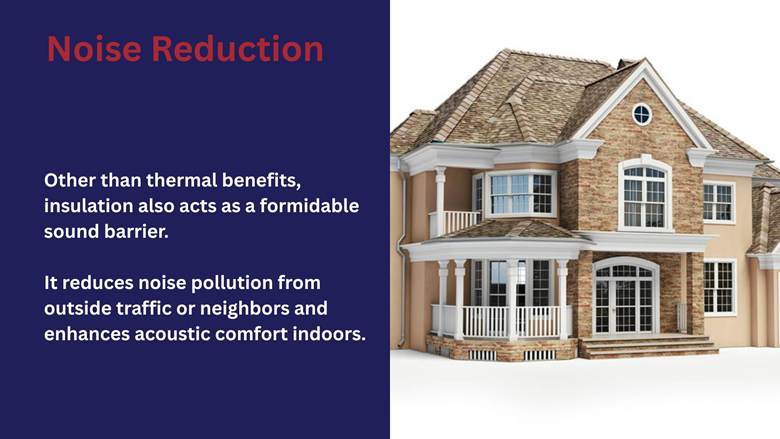
Walls Compatible with External Wall Insulation
This section discusses types of walls suitable for applying external wall insulation.
All have specific requirements that need to be considered when installing External Wall Insulation (EWI).
Masonry Walls
Masonry walls are normally made of brick, stone or blocks. They have been used in the construction industry for centuries. The qualities that made them one of the most desirable walls are their strength, beauty, and durability. But, to ensure the maximum longevity and effectiveness, you must consider the specific requirements of masonry walls before installation.
The condition of existing walls is an important factor to consider. You can apply the external wall insulation directly if there are no defects like cracks or dampness. But if such defects exist, they should be addressed before applying external wall insulation. To avoid problems after the application, address all weaknesses before applying.
Secondly, check for surface preparation before installation. The wall should be clean and dry. There should not be any loose or crumbling mortar. Also, the wall should be free from dirt or debris. All directly impact the adherence of the external wall insulation. Experts recommend pressure washing or sandblasting the surface before installation.
The type of insulation material you use also has significance. It should be suitable for using with masonry walls. Check if it can easily cope with the wall’s weight and moisture levels. Also, remember that the thickness of the insulation must be appropriate for the building’s energy efficiency goals.
Do not forget that proper detailing around windows and doors is also crucial when installing EWI on masonry walls. This way, you ensure that insulation does not impact the structural integrity. Also, it may include creating recesses around openings or using special fixings.
Concrete Walls
The use of concrete walls is common among industrial and commercial buildings. Their durable and stable properties make them an ideal substrate for external wall insulation.
You must consider the type of concrete wall before planning the EWI application process and finalising the materials. A specialist primer may be required in case concrete is porous to ensure that the insulation adheres properly.
That serves as a barrier which prevents insulation from getting absorbed into the porous surface. If it happens, the bond between insulation and the wall can become weak.
Surface preparation, again, is very important. The walls have to be clean, dry, and free from dust, and debris. It should also be free from loose particles that could hinder the insulation’s adherence.
Finally, you must consider the thickness of insulation. Thicker insulation might be required because concrete walls are also usually thicker than other types of walls. You will need thicker insulation to achieve your energy efficiency goals. But insulation thickness should not exceed wall thickness. That may result in structural problems.
Timber Frame Walls
Timber frame walls are made by plywood or oriented strand board in most cases. They consist of timber studs or beams covered with sheathing. The building material used is generally plywood or oriented strand board. Here are two factors to always keep in mind.
The first important factor is what insulation material to use. Pick the one suitable for usage with timber frames. It should be able to cope with possible moisture levels. Inappropriate insulation material can lead to dampness or rot. It can severely damage the wall’s structural integrity.
The next important factor is the ventilation of the wall cavity. Timber frames are designed to allow ventilation, that reduces the risk of rot and prevents moisture from building up.
So, when applying external wall insulation to timber frame wall, it must be ensured that insulation does not obstruct the wall’s ventilation. Otherwise, it may lead to severe consequences like moisture build-up and structural damage.
Key Factors: What Makes an External Wall Insulation Successful?
Wall type is not the only factor any external wall insulation specialist will consider. He or she will also consider the following:
1: Age & Condition of Home/Building
Older buildings are generally more suitable for external wall insulation. However, in some cases the condition is too poor to cope with the project. Homeowners should ensure partnering with professional external wall insulation services.
Only a qualified and experienced contractor can properly assess the building’s condition and suggest the best possible insulation type and material.
Try to find the one who has experience working with older buildings. It is a signal of solid grip on the specific requirements and constraints associated with this type of construction.
2: Location of Home/Building
It matters a lot. Climate can make significant changes in the insulation requirements. For example, in coastal areas the need for protective render on the insulation is much more than other areas.
You need to install both external insulation and render systems to achieve the desired energy efficiency.
3: Planning & Building Regulations
Planning and building regulations may affect the suitability of External Wall Insulation. So, do not forget to check with the relevant authorities.
That would help you ensure that the project complies with all necessary regulations. The requirements for planning permission and building can be different for different locations and insulation system type. Some materials and colours may be restricted for specific locations. In some cases, a specific level of thermal performance could be compulsory.
It is always a great idea to try to find the best external wall insulation in your locality. An ideal candidate will have sound knowledge of planning and building regulation requirements for the specific location and insulation type.
They have diverse experience and can guide about the necessary approvals and help in the application process as well. Partner with such a company to ensure that the installation meets all relevant standards and regulations.
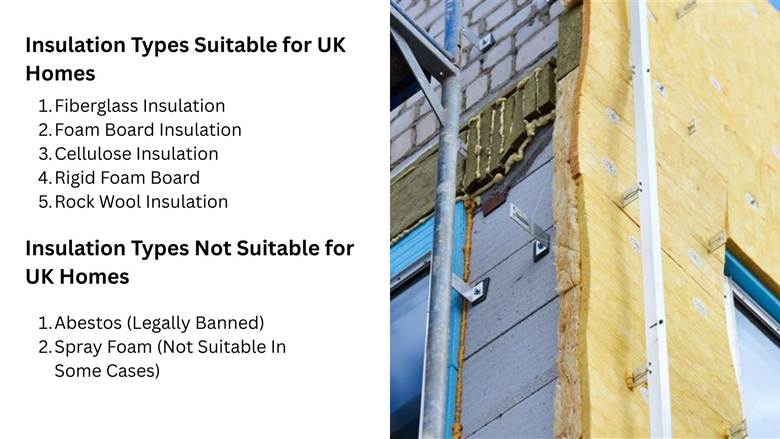
4: Desired Insulation Level
Factors that highly influence the desired insulation level are the building’s use, occupancy patterns, and climate conditions. Some homes need thicker insulation than others, so you apply appropriate insulation type and detailing around the doors and windows.
Required insulation levels for commercial buildings would be much higher than those of residential buildings. Buildings used for industrial purpose needs greater insulation levels to maintain comfortable indoor temperature and minimise the energy costs.
Desired insulation level is also heavily dependent on the existing insulation level as well as the potential for heat loss or gain through external walls. Experts usually recommend proper energy assessment to check the existing insulation level. The same test also helps determine the areas that may need additional insulation.
Conclusion
External Wall Insulation helps make the homes energy efficient and cosy. Masonry, concrete, and timber frame walls are the most compatible walls for external wall insulation.
If you have a different wall type, consult professional external wall insulation service providers. They will recommend the best insulation and guide you on external wall insulation pros and cons.
One of such great contractors is Exterior Rendering Systems. As one of the best insulation installers in south England, they will help you figure out the best insulation type according to your home’s location.
FAQs:
Question: Can you put external wall insulation on a cavity wall?
Answer: Yes, and it’s a highly effective way to improve energy efficiency. EWI for cavity walls is a great idea, and its benefits include lower energy bills, improved thermal comfort, a more weather-proof home.
Question: Is there a difference between interior and exterior insulation?
Answer: External insulation is more effective at reducing the heat loss and protecting the structure of your home. The interior insulation also takes up too much space and reduces your living area. External insulation is a larger project and can take more time to complete than interior insulation.
Question: Can you put external insulation on one wall?
Answer: The idea is practically possible but not generally recommended by experts. You get the best results when you insulate all exterior walls.
Question: What are the challenges of external wall insulation?
Answer: There can be challenges like maintaining affordable cost and to prevent inappropriate installation that can lead to mould and dampness.
