
When we think about the reason behind the poor air quality in our home, we usually think about dust and outdoor pollution. Some would blame the household pets, but rarely do we think about another factor that shapes the air quality of your home. How well insulated is your home, and what is the condition and type of your walls.
Does insulation affect indoor air quality? In short, yes, it does.
External wall insulation is famous for making homes warm and decreasing energy bills. But fewer people talk about its relationship with indoor air quality. This article discusses the matter in depth. Let’s see what happens behind the walls.
How Walls Secretly Control The Air We Breathe
Airflow is not just about open windows or extractor fans. Walls also play an important role in how air moves through your home.
Walls are part of your home’s breathing system. The walls of older buildings made up of brick or lime plaster are more permeable. They let the moisture and air vapor pass through and prevent moisture buildup.
When you further add the insulation, the air keeps flowing, which improves the indoor air quality.
When walls are not breathable, or insulation is not high quality, it may result in:
- Allowing pollutants to accumulate
- Disrupting natural air exchange
Ventilation is essential for maintaining healthy indoor air, especially in energy-efficient homes, according to the UK’s Building Research Establishment (BRE). Without it, pollutants such as volatile organic compounds (VOCs), carbon dioxide, and moisture can build up indoors.
The Ventilation Trap: When Insulation Goes Wrong
External wall insulation is designed to reduce heat loss. This also leads to making buildings more airtight. Now, from an energy-saving perspective, it seems great. However, it can come with a trade-off.
When homes are airtight, the airflow reduces, be it controlled or uncontrolled. Fresh air struggles to enter, and stale air lingers longer, without proper ventilation systems in place.
This is sometimes referred to as the “ventilation trap.”
Common signs your home may be affected include:
- Stuffy or heavy indoor air
- Lingering cooking or household smells
- Increased indoor humidity
- Condensation on windows
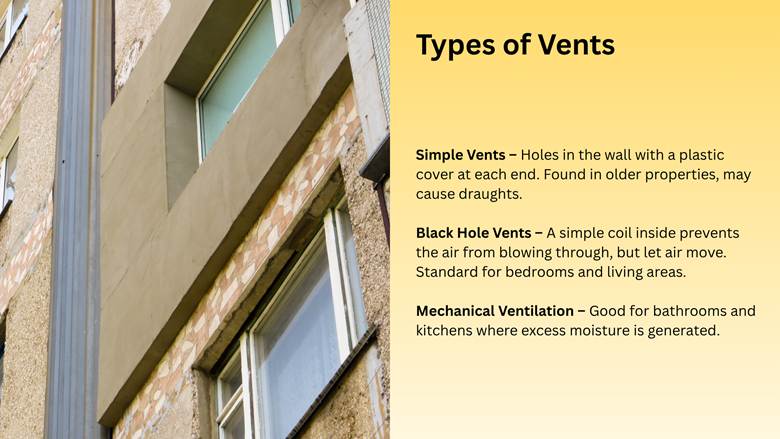
A good external wall insulation specialist will always make some strategy for ventilation. They know the importance of letting fresh air enter the home and the humid or stale air exit from the home. They will ensure that your property has several means of adequate ventilation.
Without a proper ventilation strategy, even high-quality insulation can lead to poor indoor air conditioning.
The Moisture Inside Walls – The Hidden Air Polluter
Moisture can destroy indoor air quality. Walls could be a major source of moisture. When warm indoor air meets cold external walls, condensation can form inside the wall structure. This is especially common in poorly insulated or incorrectly installed systems.
After some time, it may promote:
- Encourage bacterial growth
- Release airborne pollutants
- Affect the structural integrity of the wall
And where there is moisture, you have a perfect environment to grow mould and mildew. These release tiny spores into the air, which are easily inhaled.
Exposure to these spores may lead to:
- Respiratory issues
- Allergies and asthma flare-ups
- Persistent coughing or sneezing
- Fatigue and headaches
Risks can be high for vulnerable individuals. The worst part is that this mould and moisture build-up beneath the insulation and the wall. The above-mentioned health issues show how deadly this invisible enemy can be.
Moisture in walls and indoor air quality have a direct connection.
Good Insulation Prevents the Growth of Mould and Mildew
Good insulation can reduce the amount of moisture in your home which helps prevent the growth of mould and mildew. It does not let the moisture accumulate on surfaces and helps to improve indoor air quality.
This also prevents the growth of bacteria, fungi, and other harmful microorganisms that can have adverse effects on respiratory health. So, it is essential to get your London home well insulated from good external insulation London service.
Insulation is a Barrier That Improves Indoor Air Quality
It prevents outdoor dust, pollen, and air pollution from getting into your home. So, you and your family can breathe in healthy and fresh air.
The air pollutants normally get into your home from the cracks and gaps in the walls, floors, and ceilings. These are the most common entry points of pollutants. External wall insulation helps seal all of them.
Not All Walls Are Equal: Materials Matter
Construction material used on your walls also contributes to the air quality. It plays a huge role in the way your house handles air and moisture. Traditional building materials like brick and lime plaster are often more “breathable.” Moisture can pass through and evaporate naturally.
Modern systems, on the other hand, tend to be more sealed. No doubt, we get an energy-efficient house, but we face hard times letting the moisture escape. Moisture getting trapped in the structure is something that should never happen.
The external wall insulation system should be designed with a holistic approach. Do not just sign the contract with the first insulation company you come across. Take some time to find exterior wall insulation systems in London that comes with most breathable insulation materials and good mechanisms for moisture.
Insulation itself doesn’t cause mold—but poor installation and design absolutely can. When insulation traps moisture or blocks airflow, it creates ideal conditions for mould growth.
How to Fix Poor Air Quality Caused by Walls
Are your walls also affecting the air quality? We have seen how walls affect ventilation and indoor air.
Here’s what makes a real difference:
1. Improve Ventilation
- Install exhaust fans in kitchens and bathrooms
- Use air-purifying plants in living areas
- Ensure trickle vents or air bricks are functioning
2. Choose Breathable Materials Where Appropriate
- Use insulation systems suited to your building type
- Consider vapour-permeable solutions in older properties
3. Fix Damp and Condensation Issues Early
- Identify sources of moisture (leaks, poor ventilation, etc.)
- Address condensation before it becomes structural damp
4. Work with Professionals
Work with an external wall insulation specialist to ensure your system improves energy efficiency without harming indoor air quality. Also, the building types and climate conditions can be different from case to case. That means requirements can also be different from project to project.
A professional installer will not start the work without a detailed survey.
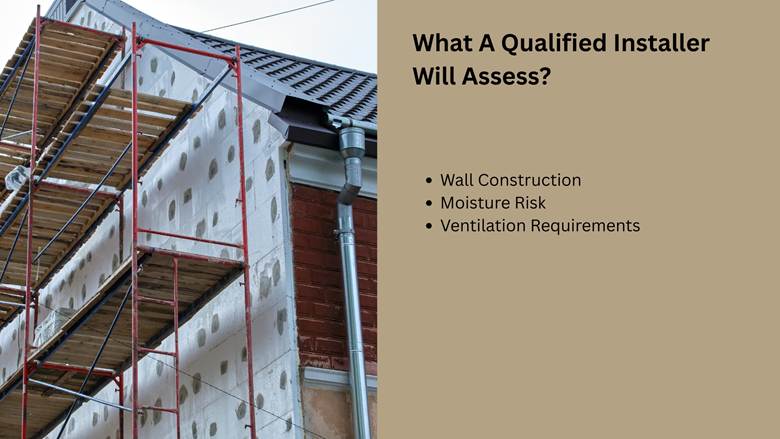
Final Verdict: Does Insulation Affect Indoor Air Quality?
Yes—it absolutely can. But the impact depends on three key factors:
- Installation quality
- Ventilation
- Materials used
The external wall insulation can actually support healthier indoor environments by reducing cold surfaces and preventing condensation, if done correctly.
When done poorly, it can trap moisture, reduce airflow, and contribute to indoor air problems. A good contractor like Exterior Rendering Systems can give you a customized external wall insulation system with a good design that comes with good ventilation and makes indoor air quality great.
FAQ
Question: Does insulation improve indoor air quality?
Answer: It can—especially when combined with proper ventilation. Insulation reduces cold surfaces, which can help prevent condensation and mould growth.
Question: Can external wall insulation cause damp?
Answer: It does not cause damp directly. However, poor installation or lack of ventilation can lead to trapped moisture, which may result in damp issues.
Question: How do I know if my walls are affecting air quality?
Answer: Look for signs like condensation, musty smells, mould growth, or persistent stuffiness. These may indicate poor airflow or hidden moisture problems.
Question: What is the best insulation for healthy indoor air?Answer: There’s no universal answer. The best option depends on your property type, but systems that balance thermal performance with moisture control and ventilation tend to deliver the best results.
