
You’ve heard the horror stories. People complain about damp walls, peeling plaster, and wasted money. But how much of it is true?
Despite all external wall insulation problems, it continues to grow in popularity. 5.9 million square metres of EWI were installed onto buildings across the UK in 2023. And a major portion of this came from home refurbishment projects. Both homeowners and businesses in the UK want to enhance their building’s energy efficiency and cosiness.
Let’s debunk some of the most common myths about insulating a house from the outside. So many myths in the industry are so surprisingly common that a newcomer cannot differentiate fact from fiction.
Myth 1: External Wall Insulation Ruins the Look & Feel of the Home
Everyone is concerned about the aesthetics of their home these days. Many people believe that the installation of EWI systems makes your home visually unappealing. But it is far from the truth.
Modern insulated render finishes that come with insulation make your home look more attractive than before. You can insulate and still keep a brick effect or modern texture. And these insulated rendering systems come in a variety of colours, designs, and shapes.
Homeowners can both beautify their homes and make them more energy efficient. From straightforward rendered styles to brick-like textures or ornamental tiles, exterior house insulation can be applied in a variety of ways. The diversity is amazing.
Myth 2: EWI only Suits Older Homes
Yes, old homes can enjoy tremendous advantages with the help of external insulation render. In most cases, these homes face the issue of inadequate insulation. And that gave rise to the myth of solid wall insulation myths. People started believing that external wall insulation is not for new homes.
Modern homes can also experience a lot of improvements in thermal comfort and energy efficiency by installing the right EWI system.
The age of building matters less than the specific needs. Any EWI system that addresses those needs will of course be successful.
Benefits of External Wall Insulation for New Homes
- Better Energy Ratings – New homes in most cases already have great energy ratings. However, with the help of external wall insulation, you can further optimise.
- Regulatory Standards Met – Building codes have become strict these days in the UK. They aim to promote energy efficiency. With EWI homeowners can go one step ahead in ensuring that their homes meet future requirements.
- Diverse Aesthetics – You can style your home in numerous ways by rendering the outside of a house after installing external wall insulation.
- Improving The Worth of Property – Adding EWI and render can help the homeowner improve the worth of their home in the real estate market. A home that’s both energy-efficient and visually striking attracts more buyers. So, EWI is one of the excellent long-term choices you can make.
Myth 3: EWI Leads to Dampness and Mould
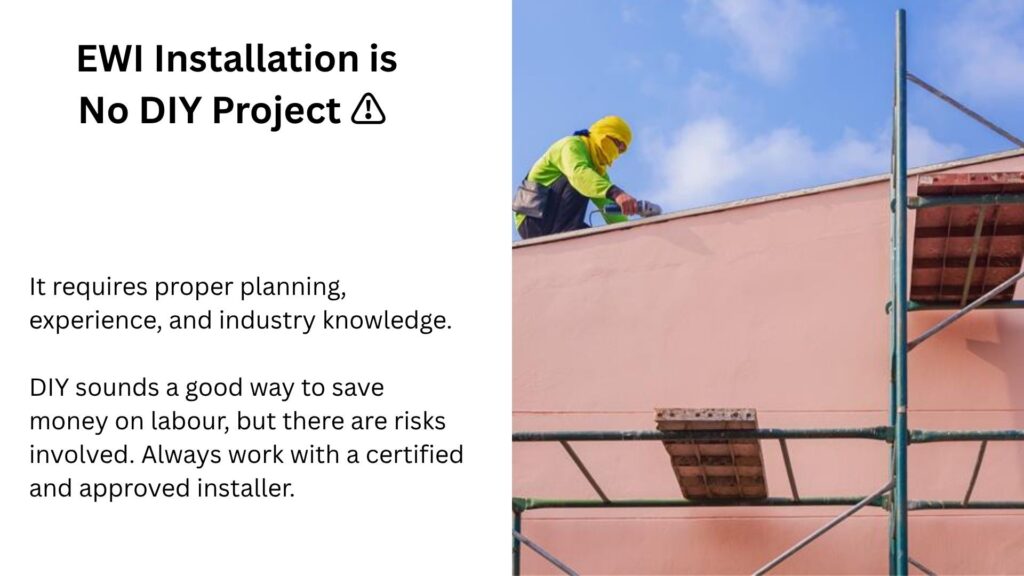
A high-quality EWI system installed by a team of experts would make sure that the probability of such incidents is negligible. Home activities like showering and cooking generate the moisture and EWI systems come with adequate ventilation measures to let moisture escape.
Also, EWI raises the temperature of walls, which reduces the temperature difference of outside and inside. It helps prevent condensation and mould growth.
Cold spots sometimes occur on the internal walls. Condensation can also form here. This is known as cold bridging and EWI also helps avoid it. There is no basis for the belief that EWI with a breathable render can result in producing mould or dampness.
Two Moisture Mechanisms of EWI
- Great Ventilation Capabilities – High-quality EWI systems come with good ventilation powers. They allow the internal moisture to dissipate from walls and aid in avoiding damp accumulation.
- Water Resistance – Outer coatings of EWI have impressive water-repellent properties. They fend off rain, and do not let it infiltrate the insulation layer or the wall beneath.
Myth 4: EWI Installation Procedures Are Lengthy & Disrupt Regular Routine
While there is some truth in this, professional teams ensure completion of the project in minimum time possible like 3 to 4 days. Also, normally all work is carried out outside the home, so the disturbance inside is already not too much.
Also, professional teams do not start their work before a comprehensive initial inspection. So, the installation process is as smooth as possible. Efficient planning ensures minimal interruptions.
However, how long the process takes also depends a lot on property size. Bigger houses with detailed features may take more time than small houses with minimal features.
Weather is also an important factor. There are different EWI types that can work in different weather conditions. But still, you cannot ignore adverse weather conditions.
Myth 5: EWI Systems Are Expensive & Not Worth It
Yes, some are expensive. But they are still worth it. What makes the expense worth it is the long-term cost saving that comes with it. Typical lifespan of a high-quality EWI is never less than two or three decades. They are built to last for decades.
Energy savings over time easily outweigh the installation costs. So, homeowners can expect a good return on investment. A well-insulated home can significantly reduce heat loss and minimize the load on energy systems. These homes need less energy for heating.
Myth 6: External Wall Insulation Is Only for Cold Climates
Yes, EWI is effective for freezing and harsh winters. It minimises the heat escape through walls.
But many people don’t know that it also helps keep homes cooler in summer. Yes, in summers they help maintain a pleasant indoor temperature.
If you use an air conditioner, you will observe less load on it as well. Much of the cooling job will be already done by external wall insulation. Just like winters, you will experience impressive energy savings.
Myth 7: Any Material Can Be Used for Insulation
No, every insulation is not for every home. Inadequate initial assessment may lead to poor choices. It is one of the common external wall insulation problems.
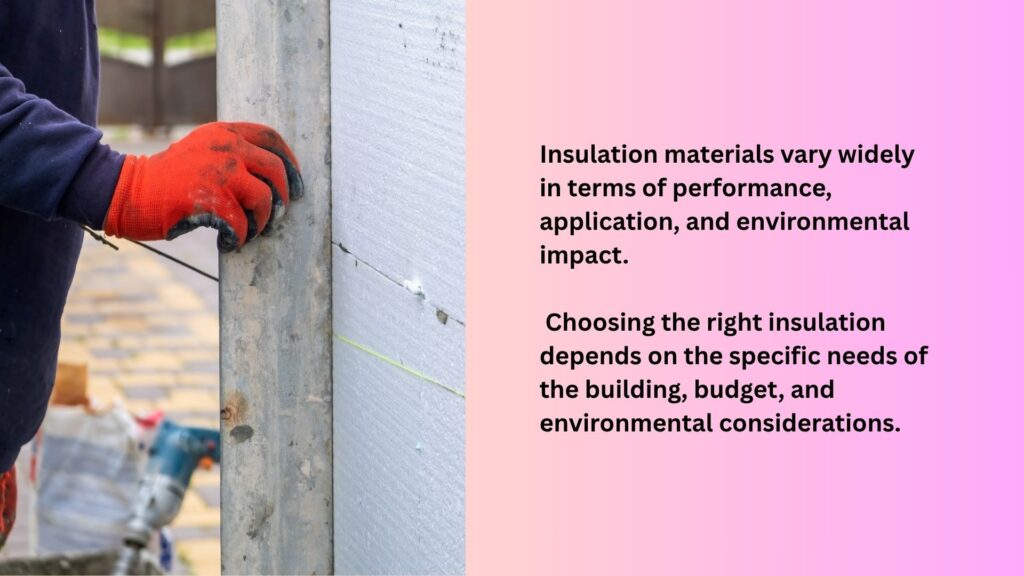
Wrong choice will not bring all the amazing benefits that external wall insulation is known for. On the contrary, it may harm the property. Common EWI materials include expanded polystyrene (EPS), mineral wool, and phenolic boards—each with different thermal and moisture properties. Ensure partnering with a good company for insulating a house from the outside. Collaborate with knowledgeable suppliers and contractors.
Conclusion
So, most of the external wall insulation problems and myths come from insufficient knowledge. When done right, external wall insulation isn’t a problem. Rather, it’s a smart investment. Less initial working also results in many painful problems. Talk to our experts at Exterior Rendering Systems, today for an honest and no-obligation assessment.
